


About Mouth Ulcers
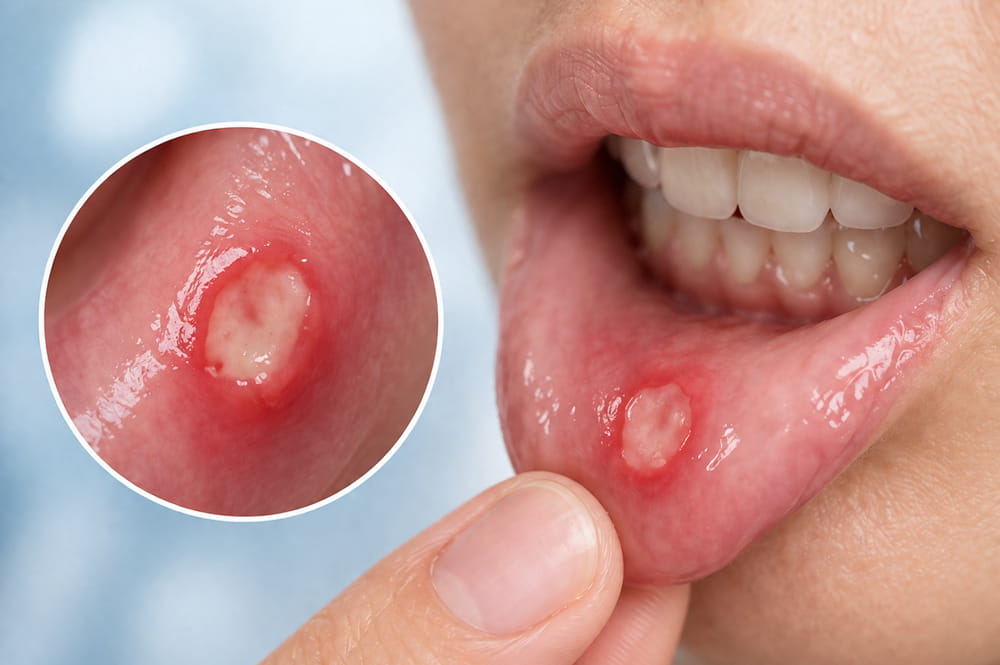
Mouth ulcers (also called canker sores or aphthous ulcers) are small, painful lesions that develop on the inner cheeks, tongue, gums, or lips. They can make eating, drinking, or even talking uncomfortable - especially when they keep returning or take long to heal.
Who Should Seek Mouth Ulcer Treatment?
You should consider seeing a dentist if you:
- Have ulcers that don't heal or keep coming back
- Find it painful to eat, drink, or speak
- Get ulcers from braces, sharp teeth, or accidental bites
- Need faster relief with advanced healing options like laser therapy
Treatment Process
Dental Examination
Your dentist carefully examines the ulcer to determine its size, location, severity, and possible underlying causes such as injury, infection, or nutritional deficiencies.
Pain Relief & Medication
Medicated gels, antiseptic mouth rinses, or topical ointments may be prescribed to reduce pain, prevent infection, and promote faster healing.
Healing & Prevention
Follow good oral hygiene, avoid spicy or acidic foods, stay hydrated, and maintain a balanced diet. Most mouth ulcers heal within 1–2 weeks, while persistent ulcers should be reviewed by a dentist.
Frequently Asked Questions
Common questions about Mouth Ulcers at Smylo Dental.
Mouth ulcers are painful, shallow sores that form on the soft tissue inside the mouth, inner cheeks, lips, gums, tongue, or floor of the mouth. The most common type (aphthous ulcers/canker sores) is triggered by minor trauma, nutritional deficiencies (B12, iron, folate), stress, hormonal changes, or food sensitivities. They are not contagious and typically heal in 7–14 days.
Warm salt water rinses (2-3 times daily) reduce bacterial load and promote healing. Applying honey, pure aloe vera gel, or OTC benzocaine gel provides topical pain relief. Avoiding acidic, spicy, and rough-textured foods prevents further irritation. These measures manage symptoms but do not address underlying nutritional or immune causes of recurring ulcers.
Recurrent aphthous stomatitis (RAS) is strongly associated with B12, iron, or folate deficiency, Celiac disease, Crohn’s disease, SLE, hormonal fluctuations (particularly in women), and psychological stress. If you experience 3+ ulcers per month, clusters of small ulcers, or ulcers larger than 1 cm, investigation by a Smylo Dental oral physician or physician is warranted.
Mouth ulcers appear inside the mouth, are not infectious, and are not caused by a virus. Cold sores are caused by herpes simplex virus type 1 (HSV-1), appear on the lip border or skin around the mouth, are highly contagious, form fluid-filled blisters before crusting, and tend to recur in the same spot. A dentist can clinically differentiate the two during an examination.
Treatment for mouth ulcers depends on the underlying cause, severity, and how long the ulcer has been present. Dentists at Smylo Dental first perform a detailed clinical examination to identify possible triggers such as irritation from sharp teeth, nutritional deficiencies, stress, infections, or underlying medical conditions. Based on the diagnosis, appropriate medications, medicated mouth rinses, dietary guidance, or other supportive treatments may be recommended to reduce pain and promote faster healing. For severe or recurring ulcers, advanced options like laser therapy may also be advised for quicker relief and improved healing.
Avoid citrus fruits (oranges, lemons), tomatoes, pineapple, vinegar-based foods, spicy curries, very salty foods, crunchy textures (crisps, toast, raw vegetables), and carbonated drinks. These all irritate the ulcer surface and delay healing. Opt for soft, bland, room-temperature foods until the ulcer has fully re-epithelialised.
Most mouth ulcers heal on their own within 1–2 weeks. However, you should see a dentist if an ulcer lasts longer than 3 weeks, keeps coming back frequently, becomes unusually large, bleeds easily, or causes difficulty while eating, swallowing, or speaking. Ulcers associated with unexplained weight loss, a lump in the neck, or patches inside the mouth should also be evaluated promptly. Dentists at Smylo Dental carefully examine persistent ulcers to rule out underlying conditions, including early signs of oral cancer, where early detection is extremely important.
Yes, both are among the most common modifiable triggers. Psychological stress suppresses immune function and elevates cortisol, disrupting normal mucosal repair. Deficiencies in B12, iron, and folate impair the proliferation of oral epithelial cells that maintain mucosal integrity. Supplementing identified deficiencies and managing stress through sleep and exercise significantly reduces recurrence frequency.
 Whatsapp Us